The Rise of Vibe Coding: A New Era in Software Development
4 Aug 2025 · 4 min read · Software Development, Vibe Coding
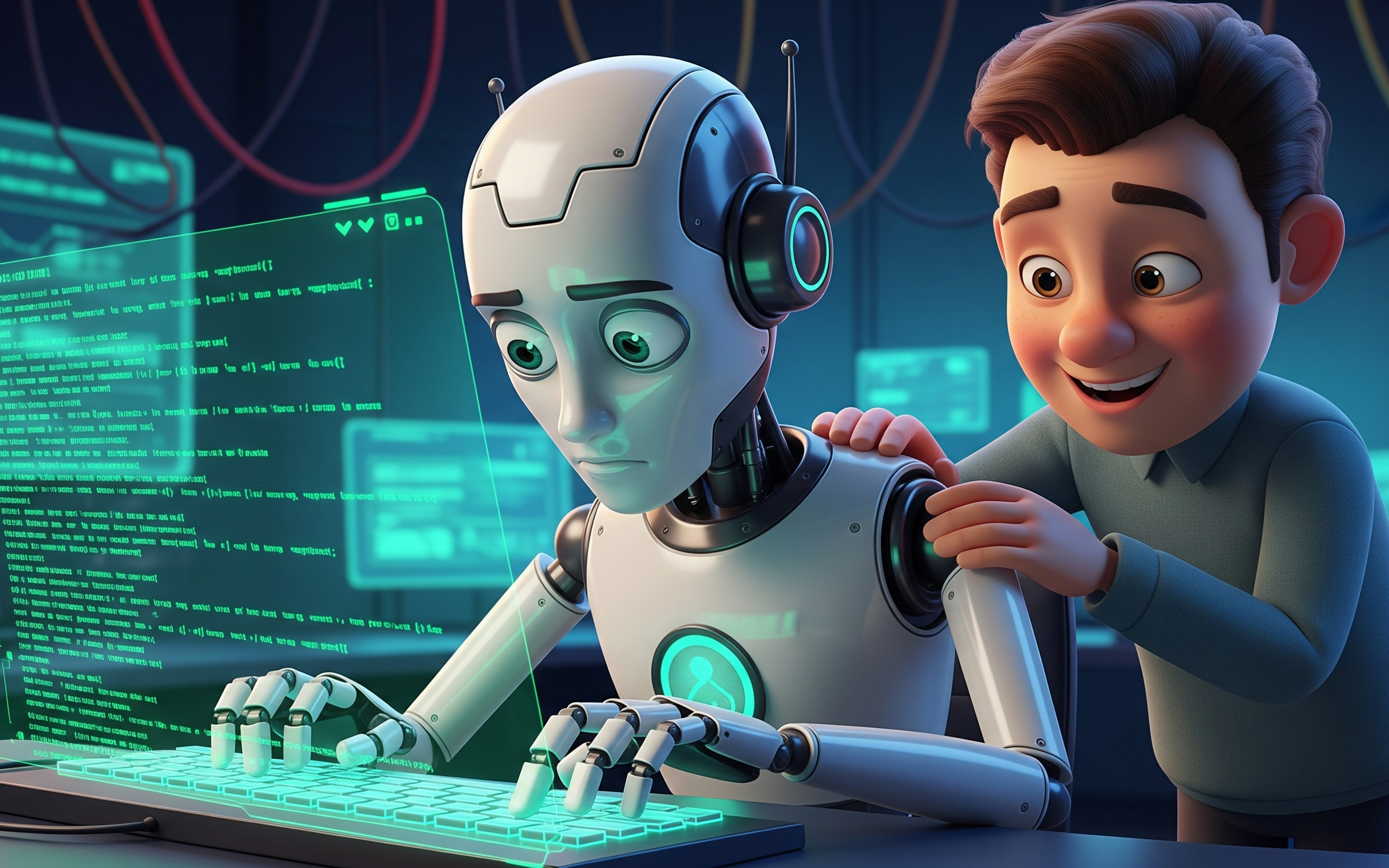
My journey with AI-powered coding started in 2022 when I first experimented with ChatGPT. I was sceptical, curious, and slightly overwhelmed. Back then, it was more of a novelty to ask the AI to explain concepts, fix bugs, or write boilerplate code.
One of my earliest practical uses was helping someone with a vanilla PHP assignment, even though I primarily used Laravel for backend development at the time. With ChatGPT’s help, I learnt how to establish a proper PDO connection to a MySQL database and created PHP files with embedded HTML to serve as basic templates. It ultimately became a straightforward full-stack CRUD inventory system, and it worked. That was a turning point for me. I realised how AI could fill in my knowledge gaps and help me ship working software in unfamiliar territories.
Fast forward to 2025, I can now spin up prototypes of full-stack applications in under 3 hours using tools powered by AI. I've built AI study assistants, a grocery shopping app, a member management system, and even my portfolio website, all leveraging the speed and flexibility of Vibe coding. Ideas move from mind to interface almost seamlessly. This shift hasn't just made me faster; it's changed how I think about building software entirely.
What is Vibe Coding?
Vibe Coding is a software engineering practice that allows you to write programs in natural language without explicitly using a programming language. It’s an emerging approach that uses artificial intelligence (AI) to generate functional code from natural language prompts, accelerating development and making app building more accessible, especially for those with limited programming experience.
The term, coined by AI researcher Andrej Karpathy in early 2025, describes a workflow where the primary role shifts from writing code line-by-line to guiding an AI assistant to generate, refine, and debug an application through a more conversational process. This frees you up to think about the big picture, or the main goal of your app, while the AI handles writing the actual code.
This practice leverages tools like ChatGPT, GitHub Copilot, Replit Ghostwriter, and other agent-based systems to accelerate ideation and execution. It’s not about replacing software engineers; it’s about empowering them. Vibe coding enhances creativity, removes mental bottlenecks, and lets you focus on what really matters: solving real problems and delivering value.
Why Vibe Coding is Not a Shortcut
AI can write code, but it can’t understand the architecture, scalability, security, or maintainability of a system unless guided by deep engineering context, clear intent, and structured thinking.
The effect of coding with AI without understanding software engineering fundamentals is dangerous. You might build something that looks impressive but is fragile under the hood. Poorly structured apps, unmaintainable codebases, and security holes are all common side effects of "blind vibe coding."
The Best Way to Use Vibe Coding Tools
To get the most out of vibe coding, you need to:
- Stay grounded in fundamentals. A strong foundation in software engineering, system design, project structure, authentication and authorization, APIs, testing, and deployment is non-negotiable.
- Think first, prompt second. Know what you want to build, then use the AI to get there faster.
- Review everything. Never copy-paste code without understanding it.
- Pair AI with testing. Vibe code your tests, not just your features.
- Architecture, clean code principles, security, and maintainability still matter.
- Use AI as a sounding board. Let it help you brainstorm, not just execute.
The Philosophy Behind Vibe Coding
AI is just like any other tool—it’s meant to make life easier, not replace it. Its role is to be your assistant, not your babysitter. It’s powerful, but only when guided with intention. This is where prompt engineering comes in: writing clear, specific instructions that keep you in control of the process and ensure meaningful results. AI can write code, but it can’t understand the architecture, scalability, security, or maintainability of a system unless you guide it with deep engineering context, clear intent, and structured thinking.
This mindset should be woven into every aspect of vibe coding.
Whether you’re spinning up a prototype or debugging with the help of an AI agent, your prompts must be clear and descriptive. Vague instructions let AI tools "cook" up things that often miss the mark. This is why prompt engineering matters—it’s not just a buzzword; it’s a skill.
You’re in the driver’s seat. AI can assist, but you should stay in control of the process. When you lead with intent and clarity, vibe coding becomes a powerful extension of your capabilities, not a replacement for your expertise.
Vibe Coding and the Future of Programming Languages
Vibe coding isn’t just changing how we write software; it’s beginning to change what we write it with. Just like we once evolved from writing machine code to using higher-level languages like C, Java, or Python, we're now entering a new transition: from programming languages to natural language.
Instead of memorising syntax, we're learning how to express our intent clearly through natural language prompts. We're engineering solutions by communicating with intelligent agents that understand context, architecture, and implementation patterns.
In this new era, your fluency in English, clarity of thought, and understanding of software engineering principles become just as important as knowing how to code. It's no longer just about the programming language; it's about the language of programming.
Final Thoughts
Vibe Coding is here to stay. As tools evolve and new workflows emerge, developers who embrace this shift will be better positioned to lead the future of software development. It’s reshaping how we build, who can build, and how fast we can go. But with great speed comes great responsibility.
Use AI not as a crutch, but as a co-pilot. Learn to vibe, but learn to engineer, too.